
The Returnees of Bely Bereg
Voices from ChernobylThis flow follows villagers who reject permanent resettlement and rebuild a life in the contaminated homeland they still recognize as theirs.
increasing Bearing strength in each event
 decreasing
Bearing strength in each eventdecreasingThe First Departure
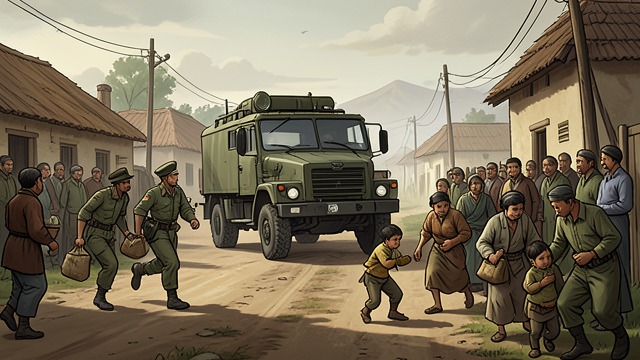
The First Departure
Ordered to Leave
Residents of Bely Bereg remember soldiers, vehicles, and hurried departures. Many left believing the absence would be temporary and carried small tokens of home with them.
Loss Beyond Property
The evacuation separated families from graves, gardens, and familiar work. Compensation could assign a value to a house, but not to the accumulated meaning of a place.
A New House Feels Foreign
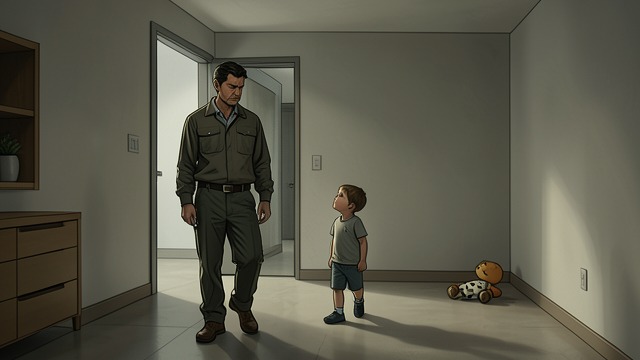
A New House Feels Foreign
Material Replacement
Some families received new homes, yet the rooms felt unfamiliar and difficult to inhabit. A better building could not reproduce a household's old surroundings or its habits.
The Pull of Home
Homesickness persisted through work, dreams, and recollections of animals and gardens. The promised security of relocation competed with an attachment that practical benefits could not replace.
Nighttime Return
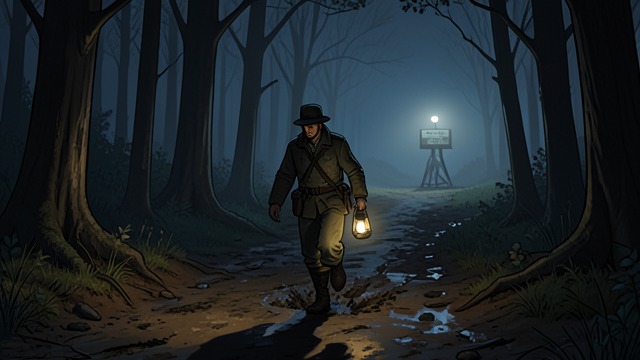
Nighttime Return
Crossing the Boundary
Some former residents returned despite restrictions, slipping through forests or coming back when officials were absent. Their return was an act of refusal as much as a journey home.
Reassembling Daily Life
They repaired damaged houses, tended animals, and resumed familiar work where possible. These choices restored local routines without undoing the physical risks or official prohibitions.
A Self-Made Commune
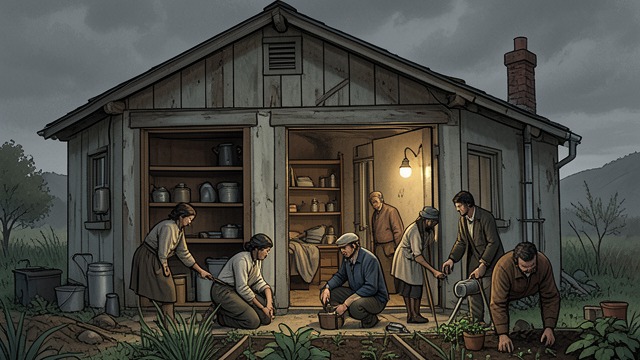
A Self-Made Commune
Life Without Services
Returnees describe living with limited transport, stores, electricity, or medical care. They depended on neighbors and household production rather than expecting institutions to provide everything.
Freedom With a Price
The independence could feel liberating, but it also carried isolation and uncertainty. Their chosen life challenged official control while exposing residents to continuing hardship.
Home Among Graves
Home Among Graves
Familiar Ground
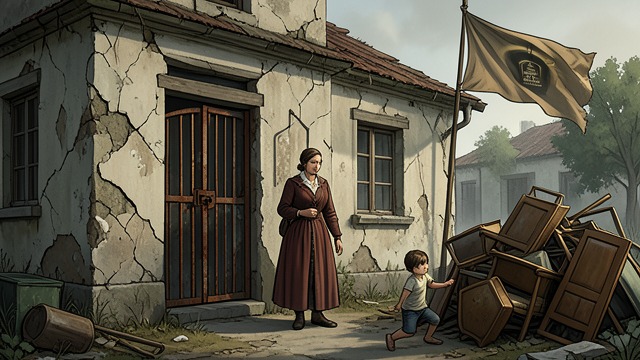
Returnees speak of beauty, memory, and belonging even as abandoned homes and burial sites surround them. The landscape remains meaningful because it contains their shared histories.
A Defiant Continuity
Their presence does not prove the land harmless. It shows instead that risk and attachment coexist, and that people may choose familiarity when displacement has offered little they can call home.
The evacuation period after 1986
The first years after resettlement
The years after the evacuation
Several years into the return
The book's 1990s present
